EVERY MEAL IS A MESSAGE PART 3: THYROID

Your thyroid doesn't run on willpower. It runs on raw materials — and on whether your body feels safe enough to use them.
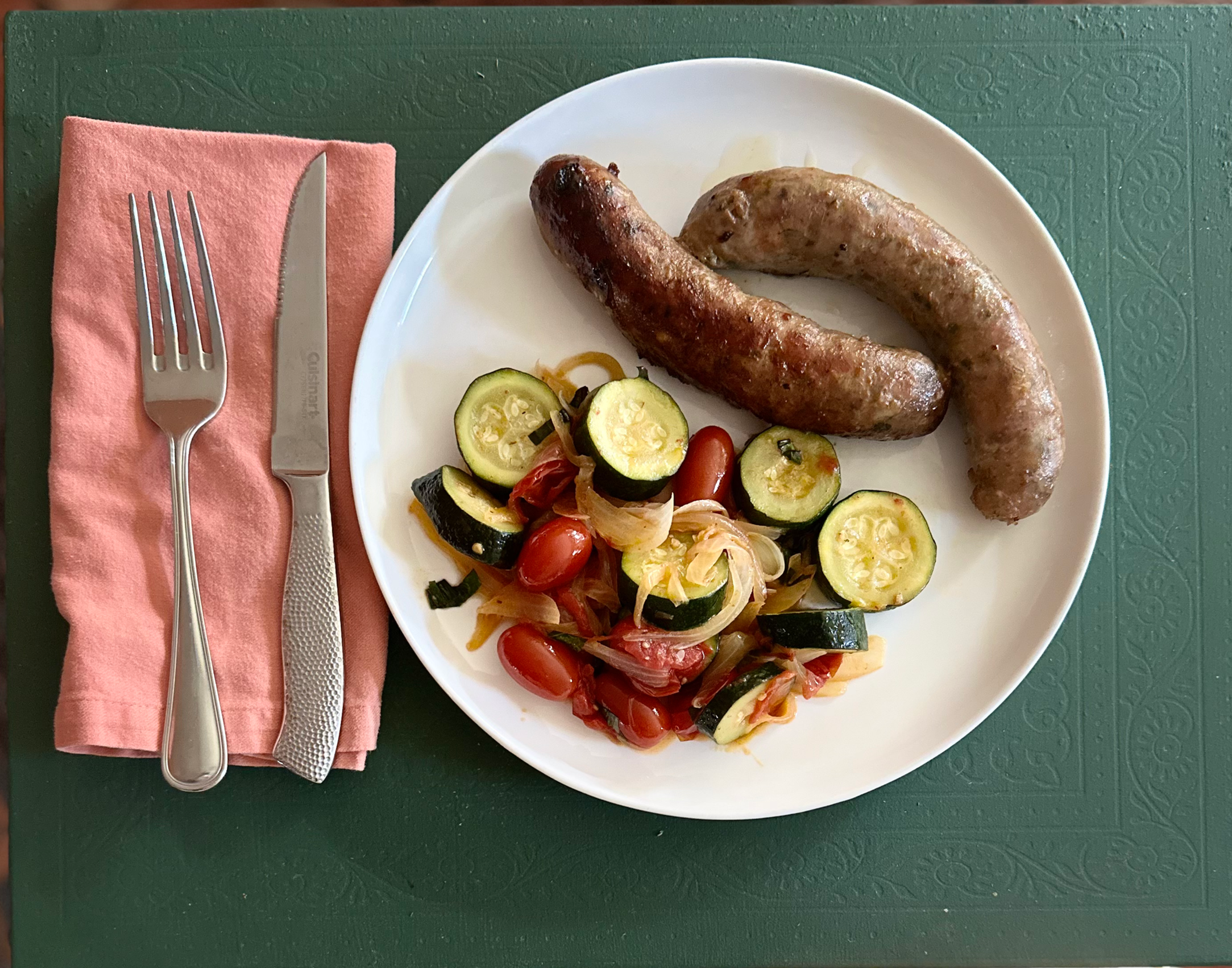
So far in this series, we've looked at insulin and cortisol — two messengers that shape how your body handles energy and stress. This installment turns to the thyroid, the gland quietly setting the pace for nearly everything else: metabolism, temperature, energy, mood, digestion, even hair and skin. And just like insulin and cortisol, the thyroid isn't operating in isolation. It's listening to every meal you eat, and to how well your body can actually use what's in it.
A Missing Piece, Not the Main Focus
When people start having thyroid symptoms, nutrition is rarely the first place the conversation goes — most people move straight to bloodwork and medication, and iodine or diet barely come up at all. I actually think that's backward from where the conversation should start, even though I don't believe diet alone is the answer if you genuinely need thyroid support.
Medical care has its place, and food isn't a replacement for it. But it's often the missing piece underneath it—the foundation nobody asked about.
Your thyroid gland produces T4, a largely inactive hormone, and your body has to convert a meaningful portion of that into T3, the active form your cells can actually use. That conversion doesn't happen in the thyroid — it happens largely in the liver and gut, and it depends on nutrients like selenium, zinc, and iron being genuinely available and absorbable.
This is where digestion quietly re-enters the conversation. You can eat a technically "thyroid-friendly" diet and still struggle if your body isn't breaking those foods down and assimilating what's in them. Intake was never the whole story — utilization is a big part.
Blood Sugar and the Thyroid Are in Conversation
Remember our first installment on insulin? That conversation doesn't stay in its own lane. Chronic blood sugar swings put real strain on thyroid conversion and can suppress active T3, while also nudging cortisol upward — which we covered in Part 2. High, sustained cortisol also dampens thyroid function. These three systems are in constant dialogue with one another, which is exactly why we keep circling back to the same foundation, meal after meal.
Building the Plate for Thyroid Support
This is where our four plate pillars — protein, healthy fat, quality carbohydrate, and non-starchy vegetables — do real work again. Adequate protein supplies the amino acid backbone thyroid hormone is built from. Healthy fats support the cell membranes that let thyroid hormone actually get where it's going. Quality, unrefined carbohydrate helps keep blood sugar steady rather than spiking and crashing, which protects the T4-to-T3 conversion we just talked about. And non-starchy vegetables bring in the micronutrients — selenium, zinc, and more — that the whole process depends on.
None of this requires perfection or an elaborate protocol. It requires a plate that consistently includes all four pillars, and a digestive system capable of using them.
The Takeaway
Your thyroid is a translator, turning what you eat and how well you digest it into the energy, warmth, and steadiness your whole body runs on. Support it not by chasing a single nutrient, but by feeding — and truly nourishing — the whole system around it.
Next in the series, we'll move into estrogen and how it, too, is shaped meal by meal. Every message adds up.


Comments